


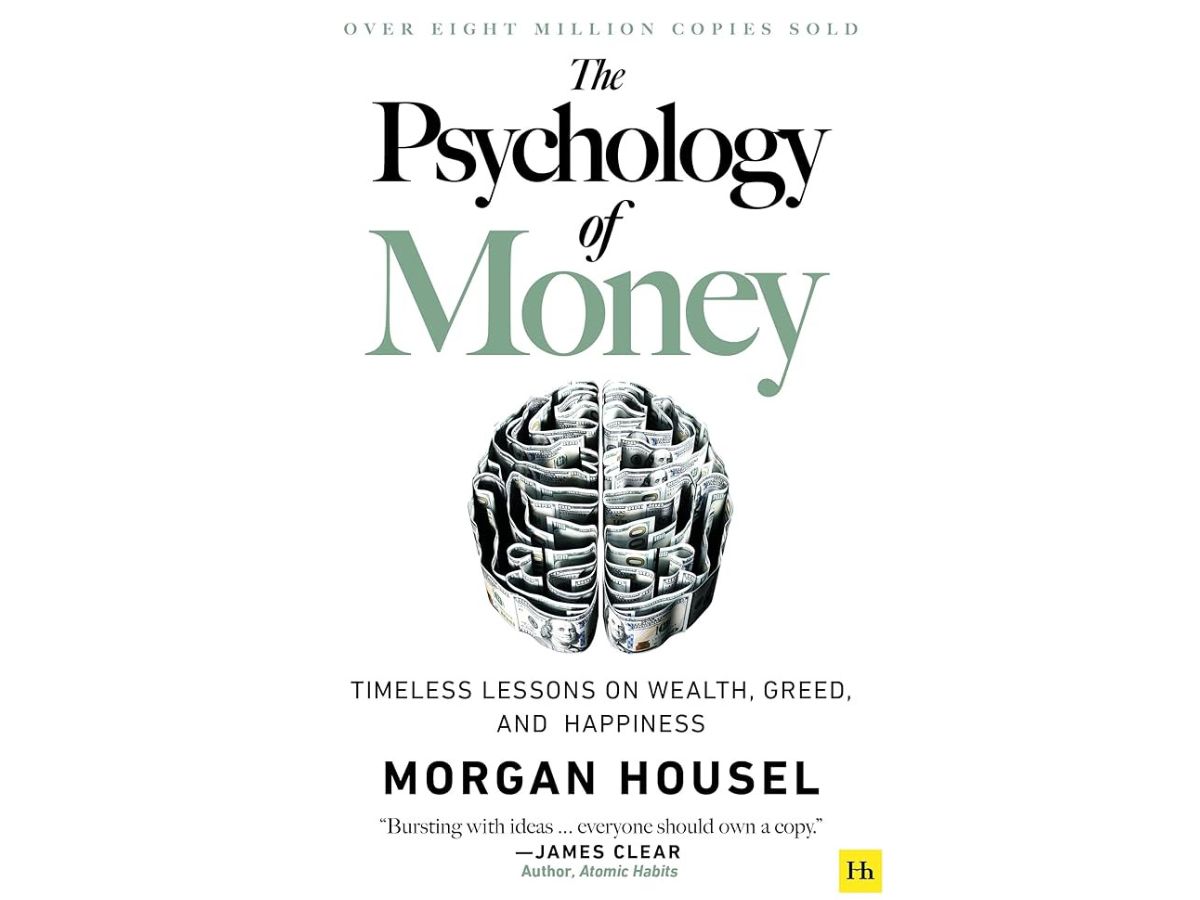
Your behavior—how you handle your emotions, your ego, and your history—is more important than what you know. A genius who loses emotional control can be a financial disaster.
Here are the key principles from the book that can revolutionize your approach to personal finance and investing:1. Your Financial World is Unique
People are not crazy
Your personal experiences with money, though a tiny fraction of global history, make up about 80% of how you think the world works. If you grew up during high inflation, your willingness to take risks is different from someone who didn’t. We are all just making it up as we go along, based on our own unique past. Survival is the Goal (and the Secret)
The irony of financial instability in America is often found in the “lottery gap.” On average, the lowest-income households spend roughly $412 annually on lottery tickets—nearly four times what the wealthiest groups spend. At the same time, 40% of Americans admit they would struggle to find $400 for an unexpected emergency. This suggests that the very same people lacking a basic safety net are essentially spending that safety net on a one-in-a-million dream.
Getting Wealthy vs. Staying Wealthy
Getting money often requires taking risks. Keeping it requires the opposite: humility, and the fear that what you’ve built can be taken away just as fast.
Compounding
Good investing isn’t about earning the highest returns; it’s about earning good returns that you can stick with and repeat for the longest period of time. This is the engine of Confounding Compounding, best exemplified by Warren Buffett’s 75 years of consistent investing. Survival is the key to letting compounding work its magic.3. The Crucial Art of “Enough”
Never Enough
The hardest financial skill is getting the goalpost to stop moving. Happiness, in this context, is simply results minus expectations. “Enough” is the realization that an insatiable appetite for more will eventually push you to the point of regret. Don’t risk what you have and need for what you don’t have and don’t need.4. Wealth is What You Don’t Spend
Wealth is What You Don’t See
True wealth is not the expensive car or the watch. It is the nice cars not purchased, the diamonds not bought. The only way to become wealthy is to not spend the money you do have; it is the very definition of wealth. Furthermore, no one is impressed with your possessions as much as you are. Humility and kindness bring more respect than horsepower.5.
Room for Error
You live in a world governed by odds, not certainties. The only way to safely navigate it is to have a margin of safety. This is why the author highlights that a sole reliance on a paycheck is a major point of failure. The most important part of every plan is to plan on your plan not going according to plan.
You’ll Change
Because we are miserable predictors of our future selves, you should avoid the extreme ends of financial planning. Your goals will change, and you should be willing to abandon without mercy the financial goals you made as a different person.6. The Highest Dividend Money Pays is Time
Freedom
The highest dividend money pays is the ability to do what you want, when you want, with whom you want, for as long as you want. Control over your own time is the ultimate luxury and the greatest return on your savings.
The Save Money Principle
You can build wealth without a high income, but not without a high savings rate. Saving money without a specific spending goal provides flexibility, the ability to wait, and the opportunity to pounce—all of which increase your control over your time.Conclusion
Finally, be reasonable, not strictly rational. Aim to be pretty reasonable—it’s more realistic, and you have a better chance of sticking with it for the long run, which is what matters most.
How do these principles align with your own financial journey?



What are your thoughts?